

Bear Market Action Plan: What Traders and Investors Can Do When Markets Fall
A bear market is a prolonged period when asset prices fall by 20% or more from their recent highs, usually alongside weaker investor confidence and negative market sentiment. While many investors associate bear markets with losses, they are a normal part of market cycles, and history shows they can also create opportunities to buy quality assets at lower prices, diversify portfolios, protect capital, and prepare for the next recovery.
Every market downturn has its own story. The 2008 financial crisis, the COVID-19 crash in 2020, the technology sell-off in 2022, and the crypto decline after the 2021 peak were all driven by different factors. Yet they shared one important feature: markets eventually recovered, rewarding investors and traders who stayed disciplined and focused on long-term opportunities rather than short-term fear.
For investors and traders trying to manage positions during falling prices, this guide explains what causes bear markets, what history can teach us, which investment and trading strategies may help during declines, the common mistakes to avoid, and how to prepare for the next recovery.
Key Takeaways
- A bear market is typically defined as a decline of 20% or more from a recent market high.
- Bear markets are commonly driven by factors such as inflation, rising interest rates, recessions, geopolitical events, banking crises, and speculative bubbles.
- History shows that every major bear market has eventually been followed by a recovery, although the timing is impossible to predict.
- Falling markets can create opportunities to buy quality assets at lower valuations, diversify portfolios, and prepare for future growth.
- Strategies such as dollar-cost averaging (DCA), diversification, capital preservation, and disciplined risk management can help investors navigate market downturns.
- Active traders may also find opportunities during bear markets by using instruments such as CFDs, which allow trading on both rising and falling prices.
- Emotional decisions, including panic selling and excessive leverage, often do more harm than the market decline itself.
- Staying patient, following a long-term investment plan, and focusing on quality assets have historically been more effective than trying to predict the exact market bottom.
What Is a Bear Market?
A bear market is a period when the prices of stocks, cryptocurrencies, or other financial assets fall by at least 20% from a recent high and remain under pressure for an extended period.
A bear market doesn't appear overnight. It usually develops when investors worry about slowing economic growth, rising interest rates, high inflation, weaker corporate earnings, geopolitical tensions, or unexpected global events. As confidence fades, more people sell, pushing prices down further and reinforcing the negative mood.
This is where the term bearish comes from. If you've ever wondered what bearish means, it describes the expectation that prices are likely to continue falling.
Bear Market vs Bull Market
A bear market and a bull market represent opposite phases of the market cycle. The names come from how bear attacks swipe downward, while bull attacks drive upward.
- In a bull market, prices trend higher, economic conditions are generally supportive, and investors are willing to take on more risk.
- A bear market is different. Prices fall, uncertainty increases, and preserving capital often becomes just as important as finding new investment opportunities.
Neither phase lasts forever. Financial markets have historically moved through repeated cycles of expansion and decline, with each bear market eventually giving way to a new period of growth.
Correction vs Bear Market
People often use these terms interchangeably, but they describe different market moves.
- A market correction is a decline of roughly 10% from recent highs and is considered a normal part of investing. Corrections can happen several times during a longer bull market and often end within weeks or months.
- A bear market is generally more severe. Prices fall by 20% or more, negative sentiment becomes widespread, and the recovery usually takes longer. While every bear market begins with a correction, not every correction develops into a prolonged downturn.
Why Do Bear Markets Happen?
Bear markets rarely have a single cause, and weak economies are a common trigger. More often, they develop when several economic or financial factors simultaneously put pressure on investor confidence.
One of the most common triggers is high inflation. To slow rising prices, central banks often increase interest rates, and policy changes or other government interventions can also unsettle markets by making borrowing more expensive for businesses and consumers. This can reduce corporate earnings and weigh on stock prices.
Economic slowdowns and recessions also contribute to market declines, as a slowing economy weakens demand and lowers profits, leading investors to expect slower growth. In other cases, markets fall after asset bubbles burst, when prices have risen far beyond their underlying value, and the collapse can initiate a bear market.
External shocks can have a similar effect. Geopolitical conflicts, banking crises, and global events such as the COVID-19 pandemic have all triggered sharp market sell-offs by disrupting economies and increasing uncertainty.
Lessons From Previous Bear Markets
Every bear market has its own cause, but they tend to follow a familiar pattern. Confidence fades, investors rush to reduce risk, asset prices fall, and pessimism becomes widespread. Looking back at previous downturns helps put current market conditions into perspective.
The Global Financial Crisis (2008–2009)
The 2008 financial crisis began in the U.S. housing market. Years of aggressive mortgage lending, combined with increasingly complex financial products backed by those loans, left banks heavily exposed when homeowners started defaulting.
As losses spread through the financial system, several major institutions either collapsed or required government support. Confidence disappeared quickly, credit markets froze, and the crisis turned into the deepest global recession in decades.
Equity markets were hit hard. Between October 2007 and March 2009, the S&P 500 lost about 57% of its value, while banking stocks suffered some of the steepest declines. Financial companies, real estate businesses, and cyclical sectors such as construction and manufacturing were among the worst performers as lending slowed and economic activity weakened.
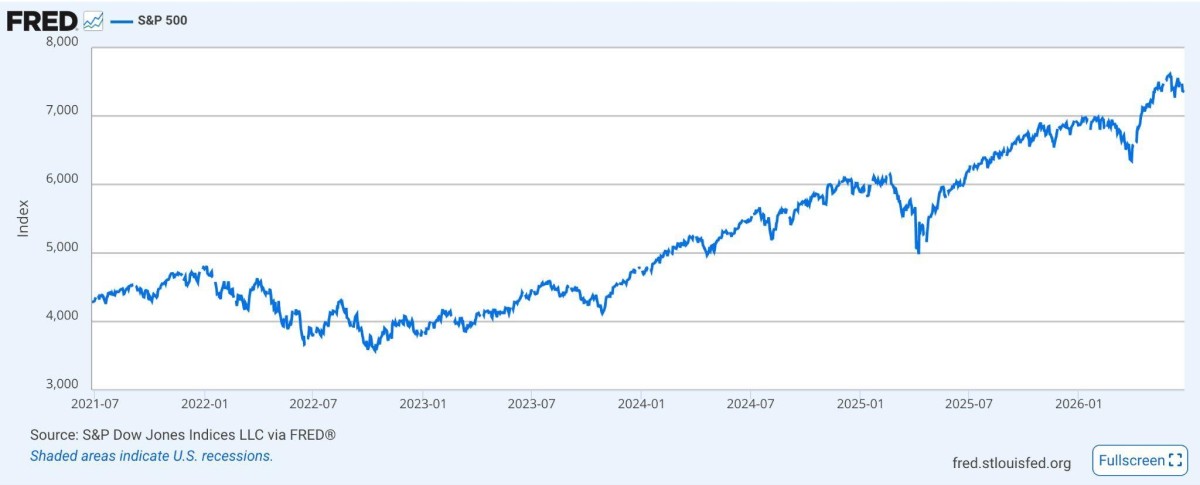
The recovery wasn't immediate, but it proved stronger than many expected. Massive fiscal stimulus, lower interest rates, and emergency support for the banking system gradually restored confidence. From its March 2009 low, the S&P 500 entered one of the longest bull markets in history, and many companies that survived the crisis went on to reach record valuations over the following decade.
The biggest lesson from 2008 is that panic and permanent damage are not always the same thing. Some businesses never recovered, but financially strong companies with solid balance sheets eventually regained their value and, in many cases, delivered substantial long-term returns. Investors who stayed diversified, avoided emotional decisions, and focused on quality rather than short-term headlines were generally in a much stronger position when markets turned higher again.
COVID-19 Market Crash (2020)
The bear market of 2020 unfolded at a speed few investors had seen before. As COVID-19 spread across the world, governments introduced lockdowns, travel was halted, and businesses were temporarily closed. Markets reacted almost immediately.
Between February and March 2020,the S&P 500 dropped by about 34%, while airlines, hotels, energy companies, and other businesses tied to the global economy were among the hardest hit. The Dow Jones Industrial Average also fell 38% from February 12 to March 23, 2020.
The recovery began sooner than many expected. Central banks lowered interest rates, governments launched large stimulus programs, and investors gradually regained confidence. By the end of the year, many stock indices had recovered their losses, while technology companies benefited from the rapid shift toward remote work, cloud computing, and digital services.
The biggest takeaway from 2020 is that markets often begin recovering before economic conditions fully improve. Waiting for every headline to turn positive can mean missing part of the recovery.
Technology Sell-Off (2022)
Unlike the pandemic-driven decline, the 2022 bear market was largely driven by rising inflation and aggressive interest rate hikes by central banks, particularly the U.S. Federal Reserve. As borrowing became more expensive, investors reassessed the value of fast-growing companies whose profits were expected further into the future. A useful comparison is the dot-com bubble, when the S&P 500 fell 49% after the bubble burst.
The NASDAQ Composite, which is heavily weighted toward technology companies, fell by around 33% during the year. High-growth tech stocks were hit especially hard, while businesses with stable earnings and stronger cash flows generally proved more resilient.
Sentiment began to improve in 2023 as inflation eased and excitement around artificial intelligence accelerated. Companies involved in AI infrastructure, semiconductors, and cloud computing led the rebound, helping the NASDAQ Composite gain 43.4% during the year.
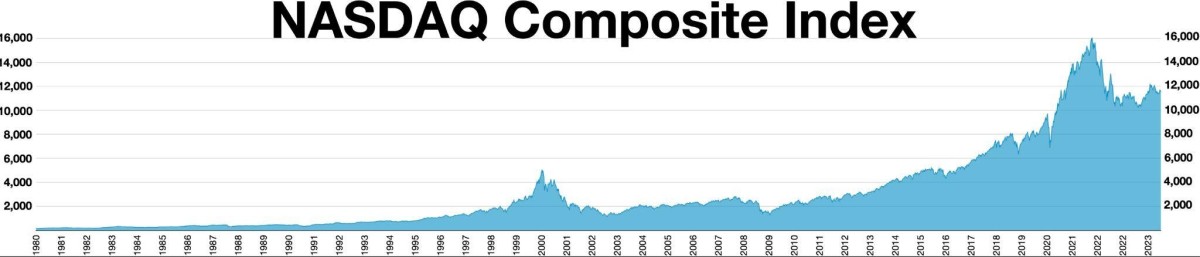
The main lesson from this bear market is that today's weakest-performing sectors can become tomorrow's market leaders. Many long-term investors continue following financially strong companies during periods of pessimism because recoveries often begin when sentiment is still negative.
Crypto Bear Market After 2021
The cryptocurrency market entered a prolonged downturn after reaching record highs in late 2021. Bitcoin fell about 77% from its November 2021 peak to its low in November 2022, while Ethereum also lost a substantial share of its value as investors moved away from riskier assets. Rising interest rates reduced demand for speculative investments, but several crypto-specific events also accelerated the sell-off.
One of the biggest shocks came in May 2022 with the collapse of the Terra ecosystem, which erased tens of billions of dollars in market value and damaged confidence across the industry. Later that year, the FTX exchange's bankruptcy triggered another wave of selling and intensified concerns about transparency, liquidity, and risk management across the crypto market.
The market gradually stabilised during 2023 and strengthened further in 2024. Growing institutional participation, improving investor sentiment, and the U.S. Securities and Exchange Commission's approval of spot Bitcoin ETFs on January 10, 2024, helped support the recovery in Bitcoin and Ethereum. Easier access through regulated investment products encouraged broader participation from both institutional and retail investors.
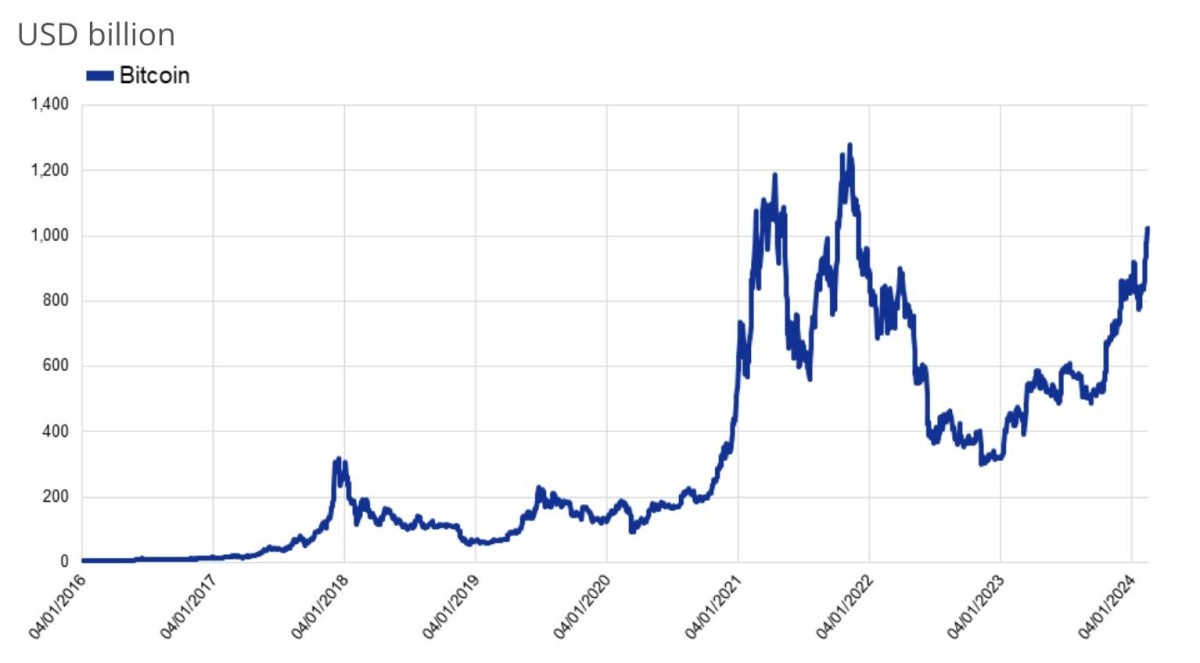
The crypto bear market reinforced a lesson that extends beyond digital assets. Even markets with strong long-term growth potential can experience deep and prolonged declines. Diversification, careful research, and disciplined risk management remain essential, especially when prices are highly volatile.
Why Bear Markets Can Create Opportunities
A bear market is uncomfortable, but it isn't automatically a bad time to invest or trade. Falling prices change the way opportunities appear in the market. Long-term investors can make quality assets more affordable. For active traders, larger price swings may create more trading setups. The key is to have a plan rather than react emotionally to every market move.
Some of the opportunities investors and traders look for during a bear market include:
- Buying quality assets at lower prices. Companies with strong balance sheets and healthy cash flow often become available at prices well below their previous highs. If their long-term fundamentals remain intact, lower valuations may offer more attractive entry points than during a bull market.
- Finding better valuations. During periods of market optimism, stocks can become expensive. A broad sell-off often brings valuations closer to historical averages, allowing investors to compare opportunities with a more balanced perspective.
- Locking in higher dividend yields. When share prices fall, but dividend payments remain unchanged, dividend yields increase. For investors focused on generating income, bear markets can present opportunities to add established dividend-paying companies to a portfolio at more attractive prices.
- Preparing for the next recovery. Market recoveries often begin before economic news improves. Many investors use bear markets to build a watchlist, gradually invest through dollar-cost averaging, or rebalance their portfolios so they are better positioned when sentiment eventually turns.
- Trading market volatility. Bear markets usually bring larger daily price movements than calm markets. While this also increases risk, experienced traders may look for opportunities in both upward and downward price swings. Instruments such as CFDs allow traders to speculate on rising and falling markets without owning the underlying asset.
Bear Market Strategies
There is no universal strategy for a bear market. The right approach depends on your financial goals, investment horizon, and tolerance for risk. Some investors see falling markets as an opportunity to build long-term positions, while traders focus on short-term price movements.
Buy High-Quality Assets Gradually
Few investors consistently buy at the exact bottom of a bear market. Rather than waiting for the perfect entry point, many use dollar-cost averaging (DCA) or a buy-and-hold strategy as a long-term approach. This strategy involves investing a fixed amount at regular intervals regardless of current prices.
When markets decline, the same amount of money buys more shares; when prices recover, it buys fewer. Over time, DCA can smooth the average purchase price and reduce the temptation to make emotional decisions, and many investors use it to buy quality stocks gradually during a downturn.
Diversify Your Portfolio
Bear markets often affect sectors differently. Cyclical sectors may struggle during downturns, while defensive stocks can hold up better as part of a balanced portfolio. Holding a mix of assets can help reduce concentration risk and create a more balanced portfolio.
A diversified portfolio may include quality stocks alongside other asset classes such as:
- Individual stocks
- Stock indices
- Gold and other precious metals
- Commodities
- Major currency pairs
- Cryptocurrencies
Focus on Capital Preservation
Growing capital is important, but protecting it becomes equally valuable during prolonged market declines. Many investors keep part of their portfolio in cash or cash equivalents so they have liquidity if attractive opportunities appear, and market changes during a downturn can make that liquidity and smaller position sizes even more valuable. Position sizing is another key part of risk management. Limiting the amount invested in any single asset helps prevent one unsuccessful investment from having an outsized impact on the overall portfolio.
Trade Falling Markets
Bear markets not only create opportunities for long-term investors; falling stock prices can also create openings for bearish trading strategies. They can also offer trading opportunities as prices move in both directions.
Unlike traditional investing, CFDs (Contracts for Difference) allow traders to speculate on both rising and falling markets without owning the underlying asset. Short selling is another, higher-risk way to profit from declines, because it allows gains when prices drop. Put options give investors the right to sell stocks at a specific price. Inverse ETFs are designed to move in the opposite direction of the index they track, so they can rise when benchmarks such as the S&P 500 index fall.
Through Libertex, traders can access CFDs across stocks, indices, commodities, currencies, ETFs, and cryptocurrencies. Investors who prefer a long-term approach can also buy real shares on the platform, choosing the instrument that best fits their strategy and objectives.
Keep a Watchlist
Most investors overlook this step, yet it can make a significant difference. A bear market is a good time to research companies with strong fundamentals, monitor their valuations, and identify price levels where they may become attractive investments. Having a prepared watchlist makes it easier to act when opportunities arise, rather than making rushed decisions under pressure.
Review and Rebalance Your Portfolio
Market declines can change the composition of a portfolio more than many investors expect. During a bear market, investors are often tempted to sell stocks to avoid further losses, which is why rebalancing should follow a plan rather than emotion. Some holdings may become too large relative to others, while certain assets may no longer fit your long-term objectives. Reviewing your portfolio regularly and rebalancing it when necessary helps maintain your intended asset allocation and keeps your investment strategy aligned with your financial goals rather than short-term market sentiment.
What Not to Do in a Bear Market
Bear markets can test even experienced investors. Avoiding these common mistakes can help you stay focused on your long-term strategy.
- Don't panic sell. A temporary market decline doesn't always mean an investment has permanently lost its value.
- Don't try to catch the exact bottom. Consistently timing the market is extremely difficult. Gradually building positions is often a more practical approach.
- Don't use excessive leverage. Large price swings can magnify losses just as quickly as gains.
- Don't ignore risk management. Diversification, sensible position sizing, and a clear investment plan remain essential during volatile markets.
- Don't follow social media hype. Base investment decisions on research and fundamentals rather than viral predictions or market rumours.
- Don't concentrate your portfolio. Spreading investments across different assets and sectors can reduce the impact of a single position performing poorly.
How to Prepare for the Next Bull Market
Bull markets often begin before the economic outlook improves, and downturns can last from a few weeks to several years. Preparing during a downturn can help you act with more confidence when the recovery starts.
- Build a watchlist. Research high-quality companies and assets so you're ready when attractive opportunities appear.
- Maintain cash reserves. Keeping some cash gives you the flexibility to invest without selling existing holdings at the wrong time.
- Stick to your investment plan. Follow your long-term strategy instead of reacting to short-term market movements.
- Keep market history in perspective. Every bear market is different, but history shows that markets have repeatedly recovered over time, with an average duration of about 11 months (289 days), which can make it easier to stay patient ahead of an upcoming bull market.
- Be patient. Recoveries take time. Staying disciplined is often more effective than trying to predict every market move.
Investing and Trading During Bear Markets with Libertex
Bear markets create different opportunities depending on your investment style. Some investors use market declines to gradually build long-term positions in companies they believe have strong fundamentals. Through Libertex, investors can buy real shares and hold them in a long-term portfolio, taking advantage of lower valuations that may emerge during periods of market weakness.
For traders, falling markets can also create opportunities. Unlike traditional investing, CFDs (Contracts for Difference) allow traders to speculate on both rising and falling prices without owning the underlying asset. Libertex offers CFDs across a wide range of markets, including stocks, indices, commodities, currencies, ETFs, and cryptocurrencies, giving traders access to different strategies depending on market conditions.
From time to time, Libertex also offers selected pre-IPO trading instruments (e.g., SpaceX, OpenAI, Anthropic), allowing traders to gain exposure to companies before potential public listings. These opportunities are available only for a limited time and depend on the instruments currently available on the platform.
Regardless of the strategy you choose, it's important to remember that every investment and trade involves risk. Setting clear objectives, managing position sizes, and following a disciplined plan remain just as important in a bear market as in periods of rising prices.
Conclusion
Bear markets are an inevitable part of every market cycle. Although they often bring uncertainty and lower asset prices, they have also historically created opportunities to buy quality investments at more attractive valuations, diversify portfolios, and prepare for the next phase of market growth.
There is no strategy that guarantees success during a market downturn, and no one can consistently predict when prices will reach their lowest point. What investors and traders can control is their own approach. Building positions gradually, managing risk carefully, staying diversified, and avoiding emotional decisions have repeatedly proven to be more sustainable than reacting to short-term market swings.
Markets change, but disciplined investing doesn't. Those who stay focused on a long-term plan rather than temporary market sentiment are often better prepared when the next recovery begins.
FAQ
What is a bear market?
A bear market is defined as a 20% decline in stock prices from a recent high and often reflects weaker market confidence and sentiment.
What causes a bear market?
Bear markets are commonly caused by high inflation, rising interest rates, recessions, geopolitical crises, banking crises, weak economies, government policy changes, or the bursting of asset bubbles.
How long does a bear market usually last?
There is no fixed timeline. Some bear markets last a few months, while others continue for more than a year. Recovery depends on economic and market conditions.
Is it good to invest during a bear market?
It can be. Lower prices may create opportunities to buy quality stocks, especially for long-term investors using strategies such as dollar-cost averaging.
What assets perform best during a bear market?
Performance varies, but defensive sectors, defensive stocks, gold, and some government bonds have historically held up better during periods of market uncertainty.
Can traders profit in a bear market?
Yes. Traders can benefit from falling prices using instruments such as CFDs, although higher volatility also increases risk.
What's the difference between a market correction and a bear market?
A market correction is a decline of about 10% from a recent high. A bear market reaches bear market territory after a 20% decline and typically lasts longer than a correction.
Should beginners invest during a bear market?
Yes, provided they have a long-term plan, diversify their investments, and invest gradually rather than trying to time the market.
Not financial advice. The content of this article is provided by Libertex for general information and educational purposes only. It does not constitute investment advice, investment research, a personal recommendation, or an offer or solicitation to buy or sell any financial instrument or other asset. It is general in nature and is not tailored to any individual reader, so it cannot account for your personal circumstances, financial situation, knowledge, experience, or investment objectives. Any decision to act on this content is taken at your own discretion and risk, and you remain solely responsible for assessing whether a product or strategy is right for you and for seeking independent professional advice where appropriate.
Risk warning. Trading in financial instruments and other assets, particularly leveraged products such as CFDs, is complex and carries a high risk of losing money rapidly. Leverage magnifies both gains and losses, so small market movements can lead to disproportionate losses. The value of the assets referenced may rise or fall, and you may lose your entire invested amount. Past performance is not a reliable indicator of future results. The use of artificial intelligence, algorithms, automated strategies, or any other analytical tool in trading does not guarantee any particular outcome, does not eliminate risk, and does not replace your own judgement — you remain fully responsible for assessing every instrument, strategy, and decision, and for the results of your trading.
Why trade with Libertex?
- Get access to a demo account free of charge
- Receive live technical assistance 5 days a week, 24 hours a day
- Enjoy leverage of up to 1:500
- Use a platform for any device: Libertex and MetaTrader 4 and 5
- Pay zero commission on withdrawals in Latin America
- Benefit from up to $500 protection on your first trades with Negative Trade Protection